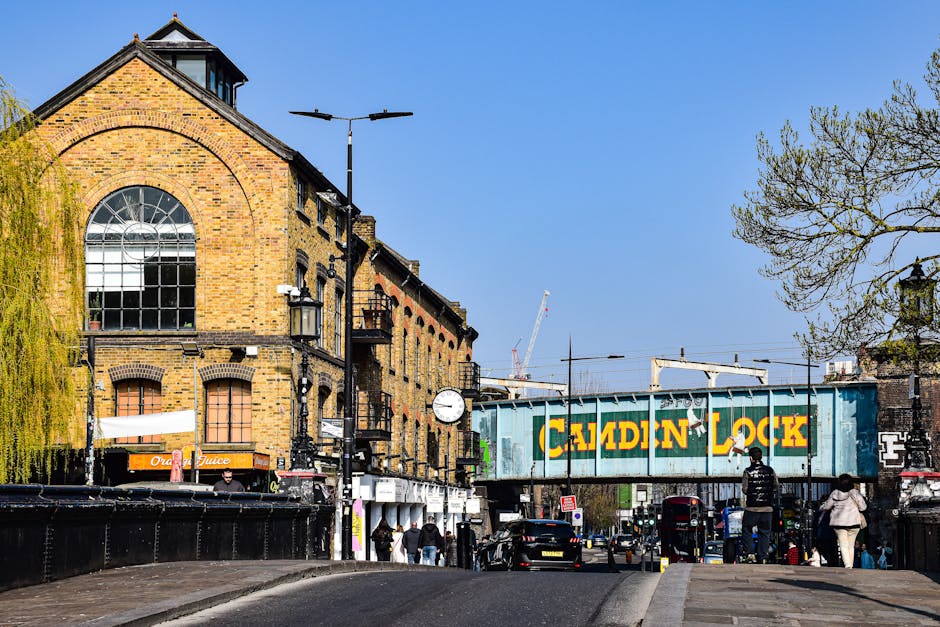
Camden Council rules for bulk waste removal in Kentish Town
Posted on 07/07/2026
If you are staring at an old sofa, a broken wardrobe, or a pile of renovation leftovers and wondering what the Camden Council rules for bulk waste removal in Kentish Town actually mean, you are not alone. Bulk waste sounds simple until you try to book it, lift it, carry it down four flights of stairs, or figure out whether the item is even accepted. In a busy part of North London, the difference between a smooth collection and a missed pickup is often in the details.
This guide breaks everything down in plain English: what counts as bulk waste, how council collection usually works, what to check before you book, and where people most often go wrong. You will also find a practical checklist, a comparison table, and a few real-world tips that make the whole process less of a headache. Truth be told, bulk waste removal is one of those tasks that feels minor right up until it takes over your hallway.
For broader local reading around day-to-day life and property moves in the area, you may also find our Kentish Town local advice and property buying guide useful.

Why Camden Council rules for bulk waste removal in Kentish Town matters
Bulk waste rules matter because they shape what you can leave out, what needs to be booked, and how quickly your unwanted items can actually disappear. In Kentish Town, that matters even more than people expect. Streets are narrower, access can be awkward, and a single missed instruction can turn into a missed collection, a blocked pavement, or a neighbour complaint. Nobody wants that at 8:00 on a wet Tuesday morning.
The main reason to pay attention is simple: bulk waste is not treated the same as normal household rubbish. A bin bag is one thing. A mattress, chest of drawers, broken desk, or bagged builder's debris is another. Councils generally have specific rules around what counts as bulky, how much can be collected, and how items should be presented. If you ignore those rules, your waste may be left behind or the collection may be refused.
There is also the cleanliness and safety angle. Left-out furniture can attract rainwater, block access for pedestrians, and become a trip hazard fast. If you are moving out, refreshing a flat, or clearing a room after a tenancy, bulk waste can make the whole property look worse before it looks better. A quick, well-planned removal can save a lot of stress.
People often tie bulk waste removal to bigger life moments. A house sale. A tenancy end. A post-party clear-out. If that sounds familiar, you may also want to look at our real estate sales in Kentish Town guide, which touches on the practical side of preparing a property for market.
Key takeaway: bulk waste removal is less about "throw it out" and more about "follow the right process so it is accepted first time." That one small shift saves time, money, and plenty of frustration.
How Camden Council rules for bulk waste removal in Kentish Town works
In practice, bulk waste removal usually works through a booked collection service rather than an on-demand kerbside pickup. The council may ask you to book in advance, identify the items, confirm the address, and follow clear presentation rules. That is the part people miss when they assume bulky waste works like a standard bin day.
Although exact procedures can change, the usual pattern is fairly familiar across London boroughs. You identify the items, check whether they are accepted, arrange the collection, and place everything where it can be safely lifted. Some items may need to be dismantled first. Others, like fridges or mattresses, can have separate handling expectations because of their size or material type.
Here is the thing: access matters. If your flat is above street level, on a mews, or behind a tight stairwell, the collection may rely on you positioning items at the correct point. That is one reason so many people run into trouble. For more on those day-to-day access issues, see common flat access problems in Kentish Town. The same kind of access friction often shows up with bulky waste too.
Typical bulk waste processes also distinguish between household bulky items and hazardous or specialist waste. Paint tins, chemicals, gas bottles, batteries, fluorescent tubes, and certain electricals may need separate treatment. Not everything that is large is automatically classed as bulk waste. And not everything that is waste can be collected in the same way.
If you are preparing a property for a deep reset, the clean-up often runs alongside furniture disposal. In that case, a one-off visit can make life easier, which is why some residents combine disposal with deep cleaning in Kentish Town or a broader spring cleaning service when the timing fits.
What bulk waste usually means in plain English
- Old furniture such as sofas, chairs, wardrobes, tables, and bed frames
- Large household items like mattresses or shelving units
- Some white goods, depending on the collection rules
- Bagged items from a room clear-out, if accepted under the booking rules
- Not usually normal bin waste, loose rubble, or hazardous materials
That last point is important. A bulky item collection is not a shortcut for everything you do not want in the house. Councils tend to be specific for a reason.
Key benefits and practical advantages
Following the right bulk waste process has real advantages. The biggest one is obvious: your items are more likely to be taken first time. But there are some quieter benefits too, and they matter just as much when you are juggling moving dates, landlord inspections, or a cluttered hallway.
First, it reduces risk. Heavy items can injure you if you try to shift them without help. A broken wardrobe door or sharp metal edge is exactly the sort of thing that catches a hand at the worst possible moment. If collection rules tell you to dismantle, wrap, or move items a certain way, that instruction is usually there for a reason.
Second, it helps you plan better. A booked collection gives you a date. A date is useful. You can line up cleaning, decorating, estate agent photos, or end-of-tenancy tasks around it instead of working around an unpredictable mess. If you are clearing a flat before handover, our end-of-tenancy cleaning in Kentish Town page may be helpful as a next step once the bulk waste is gone.
Third, it keeps shared spaces civil. In blocks of flats, bulk items left in communal areas can create friction very quickly. One resident leaves a sofa outside, another leaves a broken wardrobe, and suddenly the entrance looks like a temporary depot. Not ideal. Clear rules prevent that creep.
Fourth, it can be cheaper than the wrong alternative. Missed collections, emergency removals, or repeat bookings often cost more in time and hassle than doing it properly from the start. People sometimes think they are saving money by taking a shortcut. Usually, they are just borrowing trouble from later in the week.
Who this is for and when it makes sense
This guide is useful if you are a tenant, homeowner, landlord, letting agent, or small business owner in Kentish Town. Bulk waste situations appear in all sorts of ordinary moments. A sofa replacement. A spring clear-out. A void period between tenants. An office rearrangement. A last-minute tidy before photographs. Life, basically.
It makes particular sense when:
- You have one or more large items that will not fit in the normal bins
- You are moving out and need the property cleared quickly
- You are dealing with communal access or stair-only access
- You want to avoid fly-tipping or unsafe roadside dumping
- You are balancing collection timing with cleaning, repairs, or viewings
For landlords and sellers, there is a practical side to this that is easy to overlook. A cleared space tends to photograph better, feel more spacious, and allow cleaners to work properly. If you are preparing for a sale or letting process, you might also find our article on estate cleaning services on Crowndale Road useful for planning a fuller clear-up.
And if you are managing a small office clear-out, the same logic applies. You want the rubbish gone, but you also want the building to stay usable. That is where a structured approach beats a rushed one every time.
Step-by-step guidance
If you want to deal with bulk waste cleanly and without drama, this is the simplest way to approach it.
- Identify every item. Walk through the property and list each piece of bulk waste. Be specific. "Old furniture" is not as useful as "1 sofa, 1 mattress, 2 dismantled shelves, 1 broken desk."
- Separate normal waste from bulky waste. Bin bags, food waste, and loose household rubbish should usually be dealt with separately. Mixing everything together can cause refusal or delay.
- Check whether any item needs special handling. Electrical goods, sharp materials, liquids, batteries, or hazardous pieces may not be suitable for standard bulky collection.
- Measure access. Look at door widths, stair turns, lift size, parking restrictions, and whether items need to be moved downstairs first. If access is tight, plan early.
- Book ahead. Do not leave this until the final evening before handover. Collection slots can be limited, and if you are coordinating with cleaners or movers, one delay can throw everything off.
- Prepare the items safely. Remove loose contents, detach drawers if required, and dismantle items if that helps with safe handling. Keep screws and fixings in a bag if you plan to reuse the furniture later.
- Place items exactly where instructed. Usually that means a specified point outside the property or in another safe location. If the collection depends on clear access, keep the route free.
- Double-check the timing. A surprising number of failed collections happen because people forget whether items need to be out the night before or the morning of pickup. Easy mistake. Annoying one too.
Small tip: if your property is already being cleaned, try to clear bulky waste first. Cleaners can work faster and more thoroughly when they are not stepping around half a sofa on the landing. If you are arranging a one-off refresh around the same time, take a look at one-off cleaning in Kentish Town.
Expert tips for better results
The best bulk waste jobs are the boring ones, honestly. No drama, no second trip, no phone call about an item left half on the pavement. Here are the things that make the biggest difference.
Tip 1: dismantle more than you think you need to
Large furniture that looks manageable in a living room can become a nightmare in a narrow stairwell. Taking off legs, doors, or detachable shelves usually makes collection safer and faster. It also reduces the chance of damage to walls and banisters. A chipped stair edge is a silly thing to cause over a wardrobe.
Tip 2: keep rain and nightfall in mind
Kentish Town weather can turn quickly. If you are putting items outside before collection, try not to leave fabric furniture sitting in the rain overnight unless the instructions require it. Wet upholstery is heavier, messier, and a lot less pleasant to handle. Simple as that.
Tip 3: think about the whole move, not just the waste
If you are clearing a property before a sale, let, or after a party, bulk waste removal is just one part of the sequence. Timing matters. Cleaners often do their best work after clutter is gone. If you are comparing how services fit together, our services overview and pricing and quotes pages are handy starting points.
Tip 4: keep neighbours in the loop in shared buildings
A quick note to the building manager or neighbours can prevent confusion, especially if items will block part of the hallway while waiting for collection. You do not need a grand announcement. Just enough communication so nobody assumes the sofa is abandoned.
Tip 5: ask what happens if the collection is missed
That is the awkward question people forget. If the waste is not collected because of access, incorrect presentation, or an item not being accepted, what then? Knowing the next step upfront helps you avoid a gap of several days with a half-cleared room.

Common mistakes to avoid
Most bulk waste problems are not dramatic. They are ordinary little mistakes that add up. The good news? They are easy to avoid once you know what to look for.
- Leaving items in the wrong place. A collection can only happen if the waste is accessible and positioned correctly.
- Assuming everything large is allowed. Hazardous items, rubble, and certain electricals may need different handling.
- Forgetting about access routes. Tight stairs, lift limits, and parking restrictions can all cause delays.
- Mixing bulk waste with loose rubbish. Collections are often more efficient when bulky and general waste are kept separate.
- Waiting until the last day. This is the classic one. The room looks fine on Monday, then suddenly the move-out is Thursday and the sofa still has no plan.
- Not checking communal rules. Flats and managed buildings may have extra instructions that matter just as much as council guidance.
There is also a hidden cost mistake people make: they book waste removal, then realise they still need a proper clean. That usually means another round of booking and another round of stress. If you want to avoid that kind of scramble, our article on avoiding hidden charges in Kentish Town cleaning quotes is worth a read for the planning mindset alone.
Tools, resources and recommendations
You do not need a van full of gear to manage bulk waste, but a few simple tools make the process much smoother.
- Measuring tape for checking stair turns, door widths, and lift dimensions
- Heavy-duty gloves to protect hands from splinters, staples, and rough edges
- Basic screwdriver or drill for dismantling flat-pack furniture
- Strong bags or boxes for screws, fittings, and smaller detachable parts
- Marker pen and labels so nothing gets mixed up during a room clear-out
- Tape or string to secure loose doors and drawers for handling
On the service side, it helps to use pages that explain the wider cleanup process clearly. If bulk waste is part of a property refresh, these can be especially relevant: house cleaning in Kentish Town, domestic cleaning support, and house cleaning around Kentish Town West station.
If you are comparing how services fit together after a clearance, it can also help to look at about us, insurance and safety, and payment and security so you know what to expect before you book anything.
Law, compliance, standards, or best practice
For bulk waste removal, the safest approach is to treat council instructions as the baseline and then add good household practice on top. You do not need to know every legal detail to avoid problems, but you should understand the main principles.
First, do not dump waste illegally. Leaving bulky items on the street or in a communal area without permission can lead to enforcement issues, and it creates a mess for everyone else. Fly-tipping is not a grey area. It is simply not worth the risk.
Second, separate hazardous or specialist items. Paint, chemicals, batteries, and some electricals can require different handling from normal bulky waste. If you are unsure, treat the item as needing special attention rather than assuming it will be accepted.
Third, follow presentation rules. If the collection says items should be accessible, not overfilled, or placed in a certain spot, that is part of compliance. It may sound obvious, but a lot of missed collections happen because one small instruction was skipped.
Fourth, protect shared spaces. In flats and managed properties, you should keep routes clear and avoid damage to communal walls, floors, and stairwells. That is not just courtesy; it is basic best practice. If you have ever watched someone try to squeeze a wardrobe round a bend in a Victorian stairwell, you know why.
In more formal settings, such as offices or rental properties with multiple stakeholders, it is also wise to keep a written note of what was removed and when. That can help if a landlord, agent, or manager later asks for confirmation. Small record, big peace of mind.
Options, methods, or comparison table
There is no single right way to deal with bulk waste. The right method depends on volume, access, urgency, and whether you also need cleaning or property prep. Here is a simple comparison to help you decide.
| Method | Best for | Advantages | Limitations |
|---|---|---|---|
| Council bulk collection | One-off bulky items, planned clear-outs | Clear process, suitable for household items, tidy resolution | Needs booking and correct item presentation |
| Private waste clearance | Urgent jobs, larger volumes, awkward access | Flexible timing, can handle more complex jobs | Usually more expensive than a standard collection |
| Reuse, donation, or resale | Usable furniture and appliances | Less waste, potentially better value | Needs time, item condition must be good |
| Dismantle and normal disposal | Items that can be broken down safely | May simplify handling and access | More labour, not suitable for all materials |
For many Kentish Town residents, the best route is a mix: donate what can be reused, book collection for the rest, then finish with a proper clean. That sequence usually feels the least stressful. It also makes the property look like somebody cared, which matters more than people think.
Case study or real-world example
Imagine a second-floor flat near a busy Kentish Town street. The tenants have moved most of their belongings out, but one old sofa, a mattress, and a broken desk are still blocking the living room. The stairwell is narrow. There is no lift. The move-out is on Friday, and the inventory check is the same afternoon. Classic.
The first instinct is often to drag everything outside and hope for the best. But that creates a new problem: items in the common area, possible obstruction, and the risk of weather damage. Instead, the better approach is to list the items, confirm what can be collected, dismantle the desk, and move the pieces only when the collection route is ready. The tenants also keep the hallway clear and schedule cleaning after the bulk items are gone.
What happens next is predictable in the best possible way. The collection is completed without drama. The cleaner can access the corners, the carpet edges, and the skirting properly. The flat feels bigger instantly. You can almost hear the echo. That is usually the moment people realise the order of jobs matters more than the jobs themselves.
We see the same pattern in lots of local clean-up work, especially when clients are preparing for handover or a sale. If you are in that position, our end-of-tenancy cleaning and end-of-tenancy cleaning near Kentish Town Forum pages can help you think through the final stage after clearance.
Practical checklist
Use this checklist before booking or presenting bulk waste. A quick run-through now can save a lot of back-and-forth later.
- List every bulky item separately
- Check whether any item needs special handling
- Measure access points, stairs, and lift space
- Confirm where items should be placed
- Separate general rubbish from bulky waste
- Dismantle furniture where safe and sensible
- Keep screws and fittings in a labelled bag
- Protect floors and walls during moving
- Notify neighbours or building management if needed
- Schedule cleaning after waste is removed
- Keep a note of booking details and timing
- Have a backup plan if collection is missed
If you like a calmer, more organised finish, that last point is the one to remember. Backups are boring until they are not. Then they are gold.
Get a free quote today and see how much you can save.
Conclusion
Camden Council rules for bulk waste removal in Kentish Town are really about making a large, awkward job manageable. Once you understand what counts as bulk waste, how collection is usually booked, and where access problems can arise, the whole process becomes much less intimidating.
The smartest approach is to plan ahead, separate item types, follow the presentation rules carefully, and line up your cleaning or property prep once the space is clear. That simple order of operations saves time, reduces stress, and keeps the property looking cared for. It sounds basic, but in real life, basic is often what works best.
Whether you are clearing a flat, prepping a house sale, or just reclaiming a spare room that has slowly become furniture storage, a bit of structure goes a long way. And if you do it properly, the payoff is immediate: a clear path, a cleaner space, and a much lighter feeling in the room.