Common problems with flat access for Kentish Town cleaners
Posted on 18/06/2026
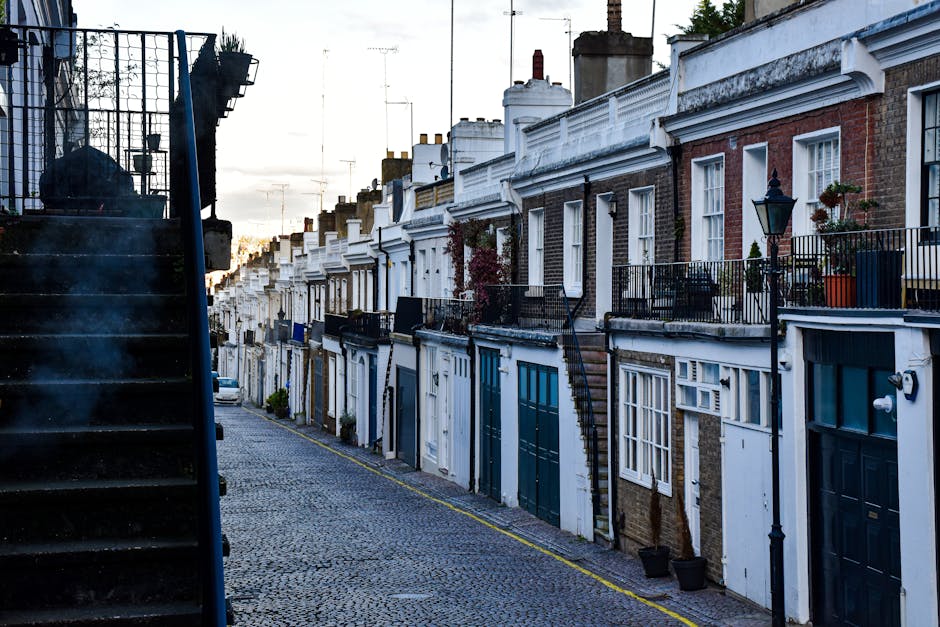
If you have ever booked a cleaner for a flat and then realised the access is awkward, you already know the drill: a locked front door, a fussy buzzer, a narrow stairwell, or a lift that seems to have its own opinions. The common problems with flat access for Kentish Town cleaners are usually not dramatic on their own, but together they can slow a visit, limit what can be done, and create avoidable stress for everyone involved. In Kentish Town, where flats range from converted Victorian buildings to newer apartment blocks, access issues come up more often than people expect. This guide breaks down the real pain points, how professional cleaners handle them, and what you can do before the appointment so the job goes smoothly.
Why Common problems with flat access for Kentish Town cleaners Matters
Flat access is not just a minor scheduling detail. It shapes what a cleaner can carry, how quickly they can move between rooms, and whether the appointment starts on time or with a ten-minute chat outside a buzzer panel. In a busy part of London like Kentish Town, even small access delays can ripple through the day, especially if the cleaner is working to a tight route or a same-day slot.
For a flat clean, access affects more than convenience. It affects:
- Time on site - a delayed start means less time for actual cleaning.
- Equipment handling - bulky machines, vacuums, steam tools, and supplies are harder to move through tight spaces.
- Safety - poor lighting, broken steps, or awkward entry points raise the chance of trips and knocks.
- Results - if part of the property is hard to reach, it can affect the finish, especially for deep cleaning or end of tenancy work.
It also matters commercially. A quote for a straightforward one-bedroom flat can quickly become inaccurate if the cleaner has to cope with multiple security doors, no parking nearby, or a lift that is out of service. That is why reputable providers often ask careful questions before confirming a booking. If you want to understand how service scope and booking terms are usually framed, the broader services overview and pricing and quotes pages are useful starting points.
Expert summary: most access problems are preventable. The cleaner usually does not need perfection; they need accurate information, a working entry route, and enough time to do the job properly.
How Common problems with flat access for Kentish Town cleaners Works
When people talk about flat access, they usually mean the practical route from street to property and then around the property itself. For cleaners, that route often includes the front entrance, communal hallways, staircases, lifts, internal doors, and sometimes rear service areas or bin rooms. A clean may sound simple on paper, but the access chain can be surprisingly fragile. One missed instruction and you are standing in the rain outside a block, trying to ring a flat that cannot hear the buzzer. Not ideal.
Here is how the process tends to work in real life:
- Booking stage - the customer shares the property type, floor level, entry method, and any restrictions.
- Arrival - the cleaner locates the building, finds parking or a safe stopping point, and enters using the agreed access method.
- Entry to the flat - keys, codes, remote fobs, concierge assistance, or a resident meet-and-greet may be needed.
- Movement through the home - cleaners then move tools room by room, dealing with stairs, thresholds, or narrow corridors.
- Exit and handover - once finished, any keys are returned and access is secured again.
The most common access issues happen in one of three places: getting into the building, getting to the flat, or getting inside the flat itself. In Kentish Town, older conversions can mean steep stairs and tight landings, while newer developments may have electronic entry systems that are fine until the fob is missing or the concierge desk is unmanned. For households that want regular help rather than a one-off visit, it is worth looking at domestic cleaning in Kentish Town or house cleaning in Kentish Town to see how recurring arrangements are typically handled.
The access issues cleaners see most often
- Buzzers that do not work properly or are not labelled clearly.
- Lost keys, forgotten fobs, or no one available to let the cleaner in.
- Lift restrictions during certain hours or while maintenance is ongoing.
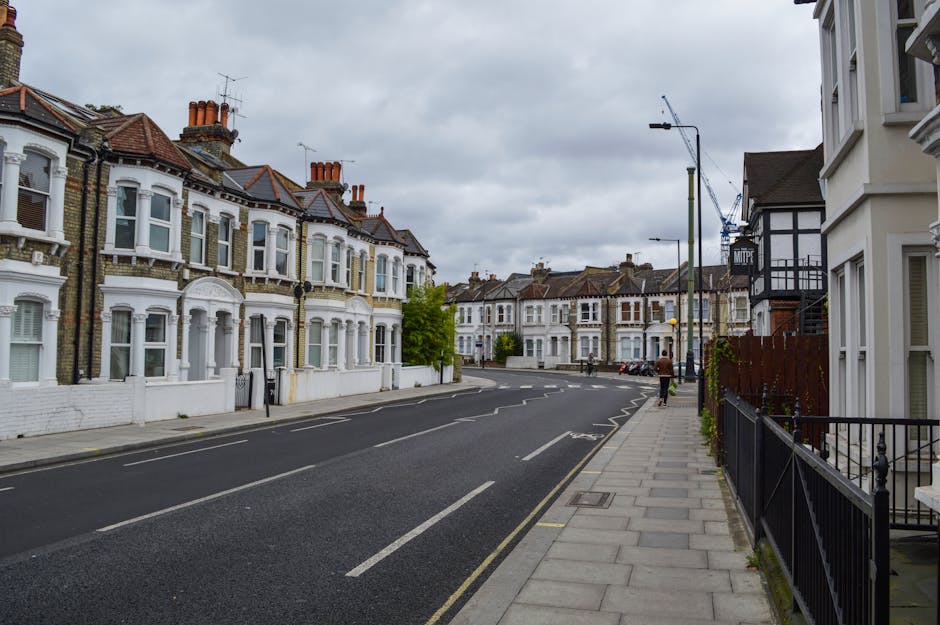
- Steep staircases, especially in converted flats and maisonettes.
- Narrow entrances that make it difficult to carry vacuum cleaners or carpet equipment.
- Parking frustration, which can shorten the practical cleaning window.
- Building rules that limit noise, refuse storage, or use of shared facilities.
Key Benefits and Practical Advantages
It sounds odd, but getting access right creates a real list of benefits. The most obvious one is time savings. The cleaner arrives, gets in, and starts. No faffing about. No back-and-forth texts. No standing on the pavement while the buzzer system crackles like an old radio.
There are also more subtle advantages:
- Better cleaning quality - when time is not lost to access problems, the cleaner can focus on detail.
- Less risk of damage - fewer rushed movements in hallways and stairwells means less chance of scuffs or knocks.
- Lower stress - everyone knows what is happening, which helps the appointment feel calm and organised.
- More accurate pricing - the cleaner can judge the job properly if they know the floor level, entry method, and any restrictions.
- Safer working conditions - a clear access route reduces lifting hazards and trip risks.
For tenants approaching the end of a lease, those practical advantages really matter. A delayed clean can create pressure when keys need returning and inventory deadlines are looming. If that sounds familiar, have a look at end of tenancy cleaning in Kentish Town and also this related local read on end of tenancy cleaning near Kentish Town Forum for more context on planning around move-out timing.
One more benefit that people sometimes overlook: good access information helps with trust. It tells the cleaner you have thought the job through. That sounds small, but it makes a difference.
Who This Is For and When It Makes Sense
This topic matters for a wide group of people, not just landlords or tenants. In our experience, the same access headaches repeat across very different flat types. You may need this guidance if you are:
- A tenant booking a one-off clean before an inspection or move-out.
- A homeowner in a converted flat with awkward stair access.
- A landlord or agent arranging a turnaround clean between occupiers.
- A busy professional who wants a cleaner to work while you are out, but the entry process is unclear.
- An older resident who needs cleaning help but is managing entry instructions from a distance.
- A business owner with residential-style office flats or mixed-use upper floors.
It also makes sense if you are planning a bigger clean. Spring cleans, deep cleans, and carpet work usually need more equipment, which makes access more important, not less. If you are comparing different types of service, the pages for spring cleaning in Kentish Town, deep cleaning in Kentish Town, and carpet cleaning in Kentish Town are worth a look.
And if your building has specific entry rules, you are definitely not alone. Flats around transport links, older terraces, or managed blocks often bring their own quirks. The cleaner just needs the right heads-up. Simple as that, really.
Step-by-Step Guidance
If you want to make flat access easier for a cleaner, the process is not complicated. It just needs a bit of care before the appointment. Here is the practical version.
- Describe the property clearly. Say whether it is a studio, flat, maisonette, conversion, or apartment in a managed block.
- State the floor and lift situation. Include whether there is a lift, whether it is working, and whether any stairs are unavoidable.
- Explain the entry method. Buzzer, key safe, fob, concierge, meet-and-greet, side entrance, or rear access - say exactly what applies.
- Share parking or stopping details. Even a short loading zone can make a difference for equipment-heavy jobs.
- Check timing constraints. Some buildings have quiet hours, reception windows, or lift booking slots.
- Confirm who will be present. If nobody will be home, make the handover process unmistakably clear.
- List any awkward features. Very narrow halls, low ceilings, fragile flooring, or a tight turning space can all change how the job is handled.
- Send photos if needed. A quick picture of the entrance or communal hallway can save confusion later.
A small example: a cleaner arriving for a two-bedroom flat near a station might be fine if the buzzer works and the lift is available. But if the lift is out, there is no nearby parking, and the key is with a neighbour three doors away, the job becomes a mini logistical puzzle. Not impossible, just messy.
If you are not sure what to tell the cleaner, look at the booking information requested on request a quote or read more about the team and approach on about us. Those pages help set expectations before anyone arrives with a vacuum and a schedule.
Expert Tips for Better Results
Here are the small things that make a surprisingly big difference.
- Test the buzzer before the appointment. If it is temperamental, warn the cleaner in advance.
- Leave access notes in plain English. Avoid assuming they will know which entrance you mean. They probably won't.
- Be honest about stairs. "A few steps" and "four flights with a landing turn" are not the same thing.
- Tell the cleaner about fragile areas. Polished floors, loose threshold strips, and soft paintwork need a gentler approach.
- Keep the route clear inside the flat. A hallway piled with bags or laundry baskets slows everything down.
- Allow a bit of buffer time. Ten to fifteen minutes of slack can turn a stressful arrival into a calm one.
- Use one contact person. Too many messages from different flatmates often leads to crossed wires. A classic London flat problem, to be fair.
For local readers wanting more context on day-to-day living in the area, local advice on living in Kentish Town offers useful background on the rhythm of the neighbourhood, while discovering the tranquil beauty of Kentish Town is a softer read if you want a sense of the area's character.
One practical tip that is easy to miss: if the building has a concierge or porter, let the cleaner know whether they should announce themselves at reception or wait outside. That tiny detail can save a lot of hovering.
Common Mistakes to Avoid
Most access problems do not come from bad intentions. They come from assumptions. People assume the buzzer works, assume the lift will be free, assume the cleaner will find the rear entrance, assume the neighbour will answer the door. Then the day gets a bit tangled.
These are the mistakes that cause the most friction:
- Giving vague directions like "just come to the back" or "it's easy once you're here."
- Forgetting to mention security steps, especially in managed blocks with multiple locked doors.
- Leaving access to the last minute when the cleaner is already on the way.
- Underestimating how equipment moves through stairwells, lifts, and tight corridors.
- Ignoring parking reality in busy streets or near stations.
- Booking a large clean without checking building rules about noise or working hours.
Another common one: failing to mention that a lift is tiny. A cleaner can usually adapt, but if they are bringing carpet equipment or multiple tools, a compact lift can change the game. Sometimes it means a different method, sometimes it means more time, and sometimes it means the job needs a revised plan.
If you are comparing quotes, this is exactly the sort of detail that can prevent surprises later. The article on avoiding hidden charges in Kentish Town cleaning quotes is especially relevant if access complexity might affect the final cost.
Tools, Resources and Recommendations
You do not need specialised software or fancy equipment to solve flat access issues. What you need is a decent system. Plain and simple.
- Mobile notes - keep access instructions in one message or note so they are not scattered across texts.
- Photos of the entrance - useful for new cleaners, especially in blocks with multiple doorways.
- Keys or fobs labelled safely - not with your full address, obviously. Just enough to tell them apart.
- A building plan in your head - where the bin store is, which stairwell is used, which lift works, and where to wait.
- A realistic booking window - if the cleaner needs to park, walk equipment in, and collect access, do not squeeze the slot too tightly.
From a service perspective, these pages can help you shape the booking:
- office cleaning in Kentish Town if your building mixes work and residential access.
- one-off cleaning in Kentish Town for occasional visits where access notes matter more than routine.
- pricing and quotes for understanding how job scope is normally discussed.
- insurance and safety if you want to know how responsible service providers think about risk on site.
If you prefer reading the practical side of service selection, there is also a useful post on urgent same-day cleaners in Kentish Town. That one is especially handy when access must be organised quickly.
Law, Compliance, Standards, or Best Practice
For flat cleaning, the main compliance concern is not usually a single dramatic law; it is a bundle of everyday duties around safety, access, and respect for building rules. In the UK, cleaners and clients alike should think carefully about safe entry, manual handling, trip hazards, and keeping communal areas clear. If a building has its own access policy, that needs to be followed. If a cleaner is asked to use a key, fob, or shared entrance, the arrangement should be secure and agreed in advance.
Best practice usually includes:
- Clear instructions before arrival so the cleaner is not guessing.
- Safe handover of keys or access devices with no casual leaving them under mats or in obvious places.
- Respect for communal spaces by avoiding blocked hallways, noisy arrivals, or unmanaged equipment.
- Reasonable manual handling when lifting vacuums, mop buckets, or carpet-cleaning gear up stairs.
- Honest communication if the access situation changes on the day.
It is also sensible to use a provider with transparent policies. For example, if you want to understand how a company approaches responsibility and customer protection, the pages on terms and conditions, privacy policy, and complaints procedure help show how those matters are handled. If access arrangements are especially sensitive, the accessibility statement is also worth reading.
One thing worth saying carefully: building rules and landlord expectations can vary quite a bit, so it is better to check early than to rely on memory. Memory is charming, but not always reliable.
Options, Methods, or Comparison Table
There are several ways to handle access for a flat clean. Some are better for regular visits, while others suit one-off bookings. Here is a practical comparison.
| Access method | Best for | Pros | Possible drawbacks |
|---|---|---|---|
| Meet at the door | Simple flats, short jobs | Easy to understand, no key handover | Needs someone present at the right time |
| Key handover | Occupied flats, repeat cleans | Cleaner can work independently | Requires trust and secure handling |
| Key safe or coded access | Ongoing domestic cleaning | Good for routine visits | Code changes must be shared promptly |
| Concierge or porter access | Managed blocks | Convenient if reception is active | Depends on building staff availability |
| Neighbour or friend assistance | Temporary arrangements | Useful in emergencies | Can get messy if instructions are not clear |
For many clients, the best option is not one method forever. It changes with the job. A deep clean before moving out may need a meet-and-greet because someone wants to discuss details. A regular domestic clean may work better with secure key access. A carpet clean in a top-floor flat may need a different plan again because of equipment weight and floor protection.
If you are comparing services around particular local scenarios, these articles may help too: house cleaning around Kentish Town West station and estate cleaning services on Crowndale Road. They are useful examples of how location and building layout shape the work.
Case Study or Real-World Example
Here is a realistic example, without overdoing it. A client in a converted flat near a busy road booked a deep clean for late morning. The flat itself was fine, but access was awkward: the entrance buzzer was not labelled clearly, the stairwell was narrow, and the client had planned to be out during the appointment. On paper, not a disaster. In practice, it needed a bit of coordination.
The cleaner asked for three things before arrival: the exact entrance, a working contact number, and confirmation that the keys would be with the building manager. The client also mentioned that the lift was unreliable, so the cleaner brought lighter equipment first and left the heavier items until after access was confirmed. That sounds small, but it saved time and a bit of patience. The job finished on schedule, and nobody had to sprint around trying to find the right door. Which, honestly, is a win.
What made it work?
- Clear access instructions.
- Advance warning about the lift.
- One named contact rather than several people chiming in.
- Equipment planning based on the building layout.
This is the pattern you will notice again and again. Good access planning does not make the clean glamorous. It just makes it possible.
Practical Checklist
Use this before your cleaner arrives. It is short, but it covers the important bits.
- Confirm the full flat address and building name.
- Check whether the front buzzer works.
- Tell the cleaner the floor level.
- State whether there is a lift and whether it is working.
- Explain how the cleaner will get in.
- Arrange keys, fobs, or a meet point in advance.
- Share parking or loading details if relevant.
- Mention any staircases, narrow hallways, or fragile flooring.
- Give one reliable contact number.
- Allow a little buffer time for arrival.
- Keep communal and internal routes clear.
- Update the cleaner immediately if anything changes.
If you want a cleaner who can handle access-sensitive visits with less hassle, it is sensible to compare the core service details first and then request a quote. That keeps the booking sensible rather than rushed.
Conclusion
The common problems with flat access for Kentish Town cleaners are rarely about the cleaning itself. They are about the little barriers before the cleaning starts: the door you cannot quite find, the lift that keeps breaking down, the key that is with someone else, the hallway that is too tight for decent equipment. Once you see those issues clearly, they become much easier to manage.
For most flats, the fix is straightforward: give better access information, allow a realistic time window, and be honest about the building layout. That alone removes a lot of friction. And if a property is especially awkward, a good cleaner will usually appreciate the warning rather than pretend it does not matter.
Truth be told, most successful jobs begin with a simple bit of organisation. Not perfection. Just clarity, care, and a sensible plan. That's usually enough.
Get a free quote today and see how much you can save.
If you are ready to move forward, you can start with requesting a quote or speak directly through the contact page for help with access questions before the appointment is booked.